What Does 8 Units per Gram of Dust Mean for Asthma Symptoms?
Living along Florida's northeast coast means dealing with persistent humidity, year-round outdoor pest pressure, and unfortunately, cockroach allergen exposure. For many families, especially those with asthma sufferers, understanding the impact of indoor allergens is critical. You may have heard about allergen measurements like “8 units per gram of dust” and wondered what that means for your home's air quality and asthma symptoms.
In this post, we'll break down what those numbers signify, explain how cockroach allergen proteins like Bla g and https://goodmenproject.com/everyday-life-2/florida-homes-have-a-year-round-asthma-trigger-the-rest-of-the-country-only-gets-in-summer/ Per a contribute to asthma flare ups, explore the difference between American and German cockroach allergens, and provide practical, hands-on tools you can use to reduce allergen exposure—without falling for useless advice like “bug bombs.”
Understanding Cockroach Allergens and Asthma
Cockroach allergens are specialized proteins found in the cockroach’s saliva, feces, and body parts. When these particles become airborne and settle as dust inside your home, they can trigger allergic reactions and asthma symptoms.
Key Cockroach Allergen Proteins:
- Bla g: Proteins derived primarily from the German cockroach ( Blattella germanica).
- Per a: Proteins from the American cockroach ( Periplaneta americana, sometimes called the “palmetto bug” in Florida).
Studies show that exposure to these proteins is strongly associated with increased asthma morbidity, including more frequent and severe asthma flare ups. Measuring allergen levels in dust samples helps assess exposure risk.
What Does “8 Units per Gram” Actually Mean?
The term “8 units per gram” refers to the concentration of cockroach allergen proteins found in a gram of dust collected from your home’s surfaces—often from areas like beneath the refrigerator, kitchen cabinetry, or other hidden spots. This measurement is used in scientific and clinical settings to quantify allergen burden.
Why is this important? Research indicates that allergen levels at or above 8 units per gram correlate with increased asthma symptoms and morbidity. In other words, at 8 units/g or higher, the risk for asthma flare ups at home significantly rises.
Table: Relationship Between Cockroach Allergen Levels and Asthma Risk
Allergen Concentration (units/g dust) Asthma Morbidity Risk Recommended Action 0 - 2 Low risk Maintain cleaning routine and pest control 2 - 8 Moderate risk Increase cleaning efforts and monitor symptoms 8+ High risk of asthma flare ups Implement aggressive pest control and allergen reduction strategiesHidden Infestations and Persistent Allergen Dust
Even if you don’t see live cockroaches regularly, allergens can persist in dust long after an infestation has been controlled. Cockroach allergen proteins are sticky and can accumulate under appliances, inside cracks and crevices, and behind baseboards.
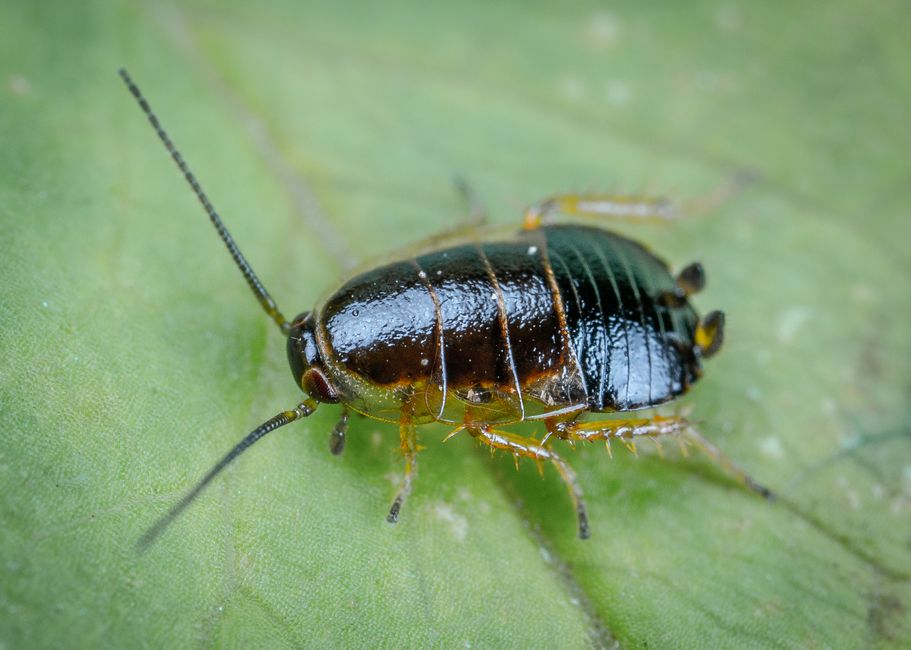
Here's where most people miss the mark: Many homeowners only dust visible surfaces or spray insecticides, but the real allergen reservoirs are hidden where cockroaches live and shed proteins daily.
Key Points on Allergen Persistence:
- Allergens linger in dust for months, even after live roaches disappear.
- Cleaning must include those hidden spots—under the fridge, behind stove, cracks in cabinets.
- Vacuuming with a HEPA filter vacuum helps trap fine allergen particles rather than spreading them.
- Wet-wiping surfaces reduces allergen dispersal better than dry-dusting, which often just stirs up dust.
Remember: I always tell folks to pull the fridge out before buying another spray. If you don’t remove these allergen hot spots, asthma symptoms will persist despite your efforts.
Florida’s Unique Pest Environment: Year-Round Humidity and Outdoor Pressure
Florida's climate creates ideal conditions for cockroach survival and reproduction. The year-round heat and humidity allow cockroach populations to thrive continuously:
- Consistently warm, moist conditions mean no true “pest season” here — infestations can grow unchecked all year.
- High outdoor populations pressure homes as cockroaches seek food and shelter indoors during rainy or dry spells.
- The American cockroach, common here, is larger and often mistaken for the “palmetto bug” — but not every roach is a palmetto bug, and those distinctions matter in treatment and allergen profiles.
Comparing American and German Cockroach Allergens
While both species produce allergenic proteins, there are important differences:
Characteristic American Cockroach (Per a) German Cockroach (Bla g) Size Large (up to 2 inches) Small (about 0.5 to 0.6 inches) Common Names Palmetto bug, waterbug German cockroach Preferred Habitat Warm, damp places; sewer lines, basements Indoor kitchens, bathrooms Allergen Proteins Per a family proteins Bla g family proteins Asthma Impact Significant, especially in southern states Major cause of asthma exacerbations nationwideBecause both types are prevalent in Florida, comprehensive pest control and allergen management must address them both.
Effective Tools to Reduce Cockroach Allergen Exposure in Your Home
The good news? You can limit your family's exposure to harmful cockroach allergens with targeted, practical interventions that work for the Florida environment.
Actionable Steps to Reduce Allergen Load:
- Use a HEPA filter vacuum regularly: This traps fine allergen particles instead of releasing them back into the air. Vacuum kitchens, bedrooms, and especially hidden corners.
- Wet-wipe instead of dry dusting: Dry dusting often stirs up allergens, making symptoms worse. Use damp cloths or microfiber towels to capture and remove allergen dust effectively.
- Focus cleaning behind and under appliances: Pull out the fridge and stove to clean hidden dust and droppings where cockroaches hide.
- Seal cracks and crevices: Use caulk or other sealants to block cockroach entry points and living spaces inside walls and cabinetry.
- Avoid bug bombs (foggers): I say it loud because it deserves emphasis—bug bombs don’t penetrate hiding places, stir up allergen dust, and are a waste of money and time.
- Implement integrated pest management (IPM): Combine sanitation, exclusion, monitoring, and targeted pesticide baits under professional guidance to reduce both live roaches and allergen sources.
Why Shame-Based Pest Talk and Social Media Fogger Advice Don’t Help
One pet peeve of mine is the shame and stigma attached to pest presence—no one plans to live with a high allergen exposure! Public discussion often blames families unfairly or pushes “quick fix” foggers that do more harm than good.
Instead, focus on practical, informed steps. Pull the appliance, vacuum with a HEPA filter, wet wipe, and consult a licensed professional if infestations persist.
Conclusion
8 units per gram of cockroach allergen dust signals a high-risk environment for asthma symptoms. Given Florida’s climate and unique pest pressures, allergen exposure is an ongoing challenge for many families here. However, armed with knowledge, you can take meaningful actions to reduce allergen loads, protect asthmatics in your household, and create a healthier home.
Pull the fridge out, clean with a HEPA vacuum and damp cloths, and avoid gimmicks like bug bombs. That is real pest control—focused on long-term health and peace of mind.
Have questions about managing cockroach allergens or asthma flare ups at home? Reach out to your trusted local pest professional who understands Florida’s unique challenges—because every roach isn’t a palmetto bug, and your family deserves the best care possible.
