Should I Take CBD on Hard Sparring Days or Every Night?
As someone who’s lived and breathed MMA training for over a decade—cornering fighters, running programming, and witnessing first-hand how camps succeed or crumble—I get asked this question a lot: “Should I take CBD on hard sparring days or every night?” Given the rise of CBD as a recovery tool and the complexity of balancing training stress with recovery, this question isn't trivial. Let’s break it down with a focus on practical gym life, evidence-based planning, and the all-important variable of sleep.
The Context: MMA Training Volume vs. Recovery Capacity
Hard sparring days are staples in every fight camp, typically marked on the whiteboard alongside other “boring things that work.” When we program week-by-week, the frequency and intensity of sparring sessions have to be balanced with an athlete's recovery capacity—which isn’t just about how sore you feel. It’s about how your nervous system, muscles, and brain handle the load, especially over four to six weeks of camp.
Key reminder: Your recovery capacity determines how well you adapt to training. Overload without sufficient recovery causes diminishing returns and increases injury risk—a fact glaringly obvious to anyone who’s seen fighters crash in week four due to accumulated sleep debt and nervous system fatigue.
Where Does CBD Fit In?
CBD, or cannabidiol, is touted for reducing inflammation, calming the nervous system, and improving sleep quality—making it a seemingly ideal candidate for recovery on hard sparring days or as part of a nightly routine. However, it’s not a magic bullet. The key question is how and when to dose CBD for maximum benefit.
Whiteboard Planning: Visualizing Hard Sparring Days
At the gym, our whiteboard isn’t just a schedule; it’s a recovery planning tool. We mark:
- Hard Sparring Days: Typically twice or thrice a week.
- Deload Blocks: Planned rest or lighter sessions, usually in week four to break fatigue accumulation.
- Additional Recovery Sessions: Mobility, light cardio, or active recovery.
By seeing sparring days clearly spaced, coaches and athletes can manage not just immediate soreness but accumulated fatigue. This visual aid helps tailor recovery strategies, including the timing and consistency of CBD dosing.
What Happens at 10:30 p.m. After Sparring?
This is not a rhetorical question. Post-hard-day recovery hinges heavily on what goes down in those pre-sleep hours. If your sparring ends at 9 p.m., what happens at 10:30 p.m. can determine whether you recover effectively or start adding to your sleep debt.
- Are you eating a good recovery meal?
- Is stimulation from devices or caffeine minimized?
- Are you using tools like CBD responsibly to aid relaxation and sleep onset?
CBD’s role is most potent when it supports these recovery rituals, helping calm the nervous system for better sleep—this is where the choice of nightly routine vs. hard-day dosing becomes critical.
Sleep as Adaptation and Motor Learning
In MMA, recovery is not just about healing muscles but also about motor learning—embedding new techniques and sparring strategies into your nervous system. Sleep, particularly deep and REM stages, consolidates these adaptations.
Taking CBD on sparring days might help you wind down and promote deeper sleep, which enhances motor learning. However, inconsistent or “when-needed” dosing can undermine this benefit. The nervous system appreciates consistency as much as it does a well-planned training program.
Week Four Fatigue and Sleep Debt
Most camps show a predictable curve: early weeks bring progress, but by week four, accumulated fatigue from training volume, sparring intensity, and inadequate sleep begins to impair performance. Sleep debt accumulates silently until the fighter “hits the wall.” This is the classic “camp crash.”
CBD can be part of a strategy to manage sleep debt by improving sleep quality during these critical weeks, but it can't fully compensate for chronic sleep deprivation. Like any recovery tool, it must be part of a broader plan that prioritizes sleep hygiene, controlled training loads, and strategic deloads.
Deload Placement Before the Crash
Our programming philosophy incorporates a deload block usually placed in week four. This is a preemptive low-intensity period to reduce accumulated neuromuscular and sleep fatigue, allowing for a fresh push in weeks five and six.
CBD usage during this deload can help maintain sleep quality and aid nervous system recovery, making sure the athlete returns fitter and more alert. Again, dosing consistency—preferably as part of a nightly routine—supports that recovery window best.
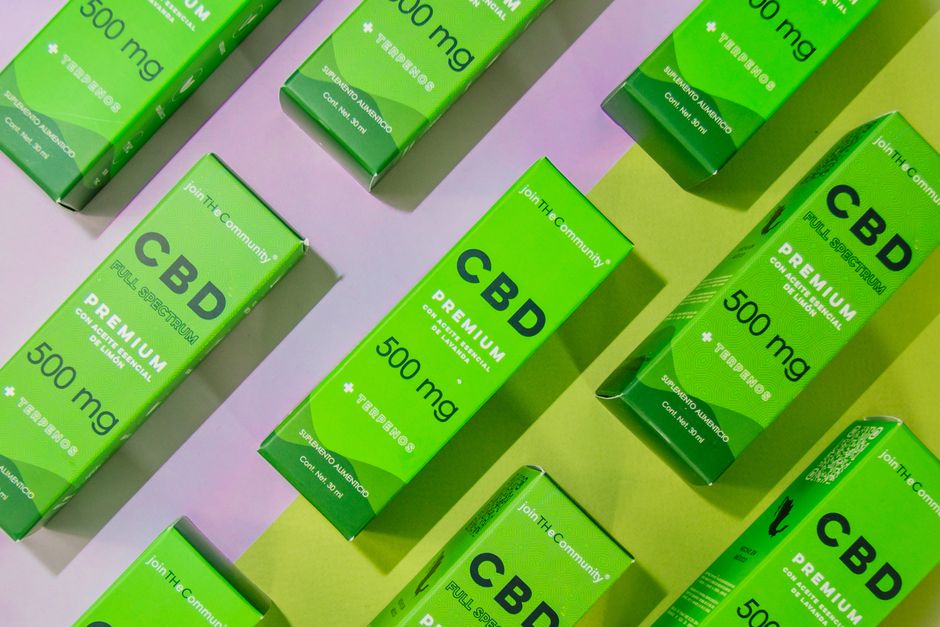
Batch-Specific Lab Reports (COA Documentation): Why It Matters
Any discussion of CBD wouldn’t be complete without addressing product quality. All CBD supplements should come with Batch-Specific Certificate of Analysis (COA) lab reports that detail purity, cannabinoid content, and absence of contaminants.
Parameter Why It Matters What To Check Potency Ensures you’re getting accurate dosing MG of CBD per serving Purity Avoids heavy metals, pesticides, solvents Negative readings for contaminants THC Content Ensures compliance with commission/testing rules Less than 0.3% (or per local regulations)Without this transparency, dosing consistency is a guess and could jeopardize compliance with athletic commissions and fight organizations.
Hard Day Recovery vs. CBD Nightly Routine: What’s Best?
Here’s the bottom line:
- Hard Day Recovery Dosing: Taking CBD immediately after sparring can help reduce acute inflammation and prepare you for sleep. However, if this dosing is irregular, it may not consistently support motor learning or nervous system balance.
- Nightly Routine: A consistent nightly dose of CBD promotes reliable improvements in sleep quality, helping you build a recovery reserve and avoid the week four crash associated with chronic sleep debt.
From experience and programming logic, a nightly CBD routine tends to have better outcomes for fight camp progress than sporadic hard-day doses.
Consistency in Dosing: The Non-Negotiable Rule
Whether you choose to take CBD on sparring days, nightly, or both, the single most important factor is consistency. Erratic use causes unpredictable effects, undermining adaptation and recovery.
Remember: The body responds best to predictable inputs. You wouldn’t half-ass a strength plan—don’t half-ass recovery either.
Summary: Smart Use of CBD in MMA Camps
- Use the whiteboard to mark hard sparring days and monitor fatigue trends.
- Plan deload blocks, especially before week four, to combat sleep debt and nervous system fatigue.
- Make sleep your priority: in-fight adaptation depends on it.
- Integrate CBD as part of a nightly routine for consistent nervous system support and improved sleep.
- Always verify your CBD product with batch-specific COAs to ensure quality and compliance.
- Never add more training or recovery sessions without addressing sleep—nothing else fixes that.
What Happens at 10:30 p.m. Tonight?
The better you plan your recovery and manage your sleep environment, the more effective every CBD dose becomes. If you’re sparring hard today, think about how your routine and product quality can help you show up sharper tomorrow—and not just this week, but week six too.
Remember, you’re not just fighting your opponents—you’re fighting your camp crash. Smart, consistent recovery tools like CBD, mymmanews.com correctly timed and dosed, can be part of your fight edge.

Train smart. Recover smart.