Healthspan vs Lifespan: Which One Should I Focus on at 60?
Turning 60 often brings a fresh perspective on health and aging. You might be asking yourself, should I prioritize living longer—or living better? This question boils down to two important concepts: lifespan and healthspan. While the terms sound similar, they mean different things and have distinct impacts on your quality of life.
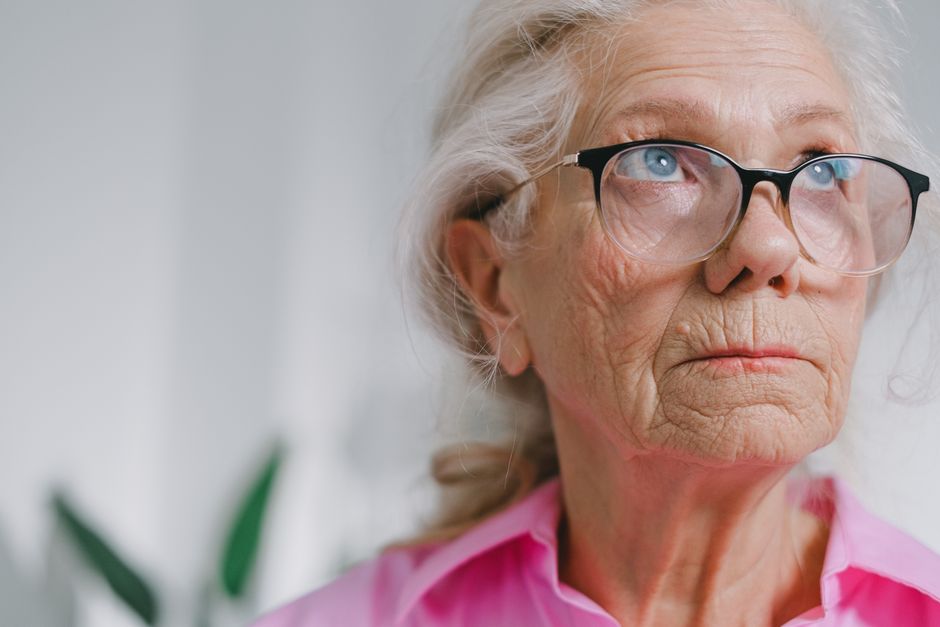
In this article, we'll break down what lifespan and healthspan really mean, explore why the gap between them is growing, examine the role of chronic diseases like heart disease and diabetes, and share insights from experts and trusted sources such as Medical Daily. We'll also look at tools like the My Legacy Podcast and take inspiration from leaders like Marc Kielburger of Legacy+ and Free The Children who focus on impactful, healthy living.
What Are Lifespan and Healthspan?
Let's start by defining these terms clearly.
- Lifespan refers to the total number of years a person lives.
- Healthspan represents the number of years a person lives in good health—free from chronic diseases and major disabilities.
Think of lifespan as the length of the movie, and healthspan as the quality of the story. You can live many years, but if those years include illness and dependence on others, your quality of life may suffer.
What this means for you: biohacking basics for beginners Focusing solely on lifespan might lead to longer years but not necessarily happier or healthier ones. Understanding and maximizing your healthspan ensures you maintain strength, balance, and independence.
The Widening Gap: Why Healthspan Isn’t Keeping Up
Medical research, including reports on Medical Daily, reveals a concerning trend. While average lifespan has increased globally due to advancements in medicine and public health, healthspan has not kept pace. This creates a growing gap where people live longer but spend many of those extra years with chronic illnesses or disabilities.
For example, heart disease and diabetes—the two most common chronic conditions—often emerge as people age and significantly reduce day-to-day function and well-being. Managing these illnesses can consume time, finances, and emotional energy while robbing you of your independence.
Condition Impact on Healthspan Heart Disease Leads to reduced mobility, increased fatigue, and higher risk of disability Diabetes Can cause nerve damage, vision loss, and other complications that impair independenceWhat this means for you: It's not just about adding years to your life, but adding good years—free from disabling disease. Early and ongoing chronic disease management is key to closing this gap.
Strength and Balance: Pillars of Staying Independent
One overlooked aspect of healthspan is maintaining physical strength and balance. As we age, muscles naturally weaken, and balance can decline, increasing fall risk—the leading cause of injury among older adults.
A daily routine focused on strength and balance exercises can:
- Improve coordination and prevent falls
- Increase muscle mass and flexibility
- Enhance overall confidence to perform everyday tasks independently
Medical Daily offers practical tips and expert advice about these exercises tailored for people over 60 to promote an active and autonomous lifestyle.
Meet Marc Kielburger: A Leader Inspiring Healthy Purpose
You may know Marc Kielburger as a co-founder of Legacy+ and Free The Children. His work emphasizes creating meaningful purpose at every stage of life—a factor some believe can influence healthspan positively.
Marc’s credibility comes from decades leading social movements that empower youth and communities globally. His organizations focus on legacy-building, encouraging people not only to live longer but to live with impact and joy.
Listening to the My Legacy Podcast offers inspiring stories and actionable advice for anyone over 60 seeking ways to boost their healthspan alongside their lifespan. From interviews with healthcare experts to tips on volunteering and staying engaged, this podcast encourages meaningful steps toward healthier aging.
How to Decide What to Focus on at 60
Here are five clear steps to help you prioritize healthspan while respecting your desire for a long life:

- Assess your current health: Talk openly with your doctor about your risk factors for chronic diseases and ask about tailored management plans.
- Incorporate strength and balance training: Even small, consistent workouts make a difference in maintaining independence.
- Engage in purposeful activities: Like Marc Kielburger advocates, find what motivates you, whether volunteer work, hobbies, or social causes.
- Stay informed: Follow reliable sources like Medical Daily and consider subscribing to content such as My Legacy Podcast.
- Share your progress: Use tools like the Twitter share link from the podcast or your favorite health communities to celebrate milestones and stay motivated.
Final Takeaway
At 60, focusing on your healthspan ensures that you enjoy your years with strength, balance, and independence. Lifespan is important, but living longer without good health often leads to challenges that may diminish your satisfaction. Chronic disease management plays a starring role in staying strong and autonomous. Drawing inspiration from experts like Marc Kielburger and utilizing trusted resources such as Medical Daily and the My Legacy Podcast can support your journey to a vibrant and meaningful life.
Remember: the goal is not just to add years to your life but to add life to your years.
Ready to share your plan or hear others’ stories? Click here to tweet and connect.